Lucedio: the monastery of the damned
Between History, Esotericism, Satanic Rites and Dark Legends
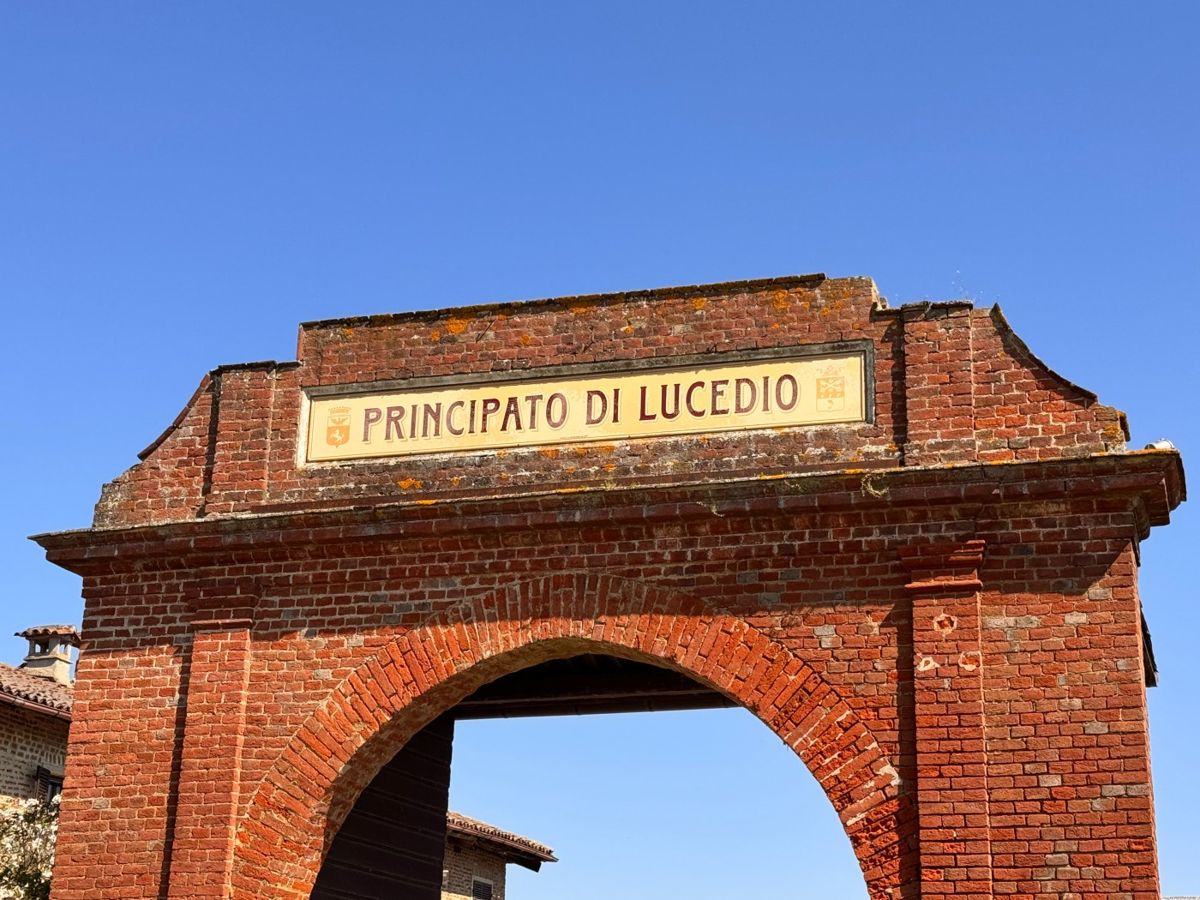
The History
The abbey of Santa Maria di Lucedio is one of the most fascinating Cistercian foundations in Italy, with a history spanning almost nine centuries of institutional, architectural and cultural transformation. Founded in 1123 by monks from the French abbey of La Ferté, it was a key element in the spread of the Cistercian order in northern Italy.
Foundation and medieval development
Lucedio was born as a monastic community devoted to the Benedictine rule as reformed by the Cistercians, marked by rigorous discipline and dedication to agricultural work. Thanks to the support of local nobles and bishops, the monastery received numerous donations, which extended its domain to include large areas of the Vercelli, Pinerolo and Pavia districts. The management of the granges, the farms attached to the monastery, became a key element in the abbey's economic prosperity.
Architecturally, the abbey reflected the Cistercian principles of simplicity, functionality and harmony with the landscape, avoiding decorative excess and favouring spacious, austere rooms. The abbey church and the cloister were the heart of the complex, around which the dormitories, refectories and workspaces were arranged.
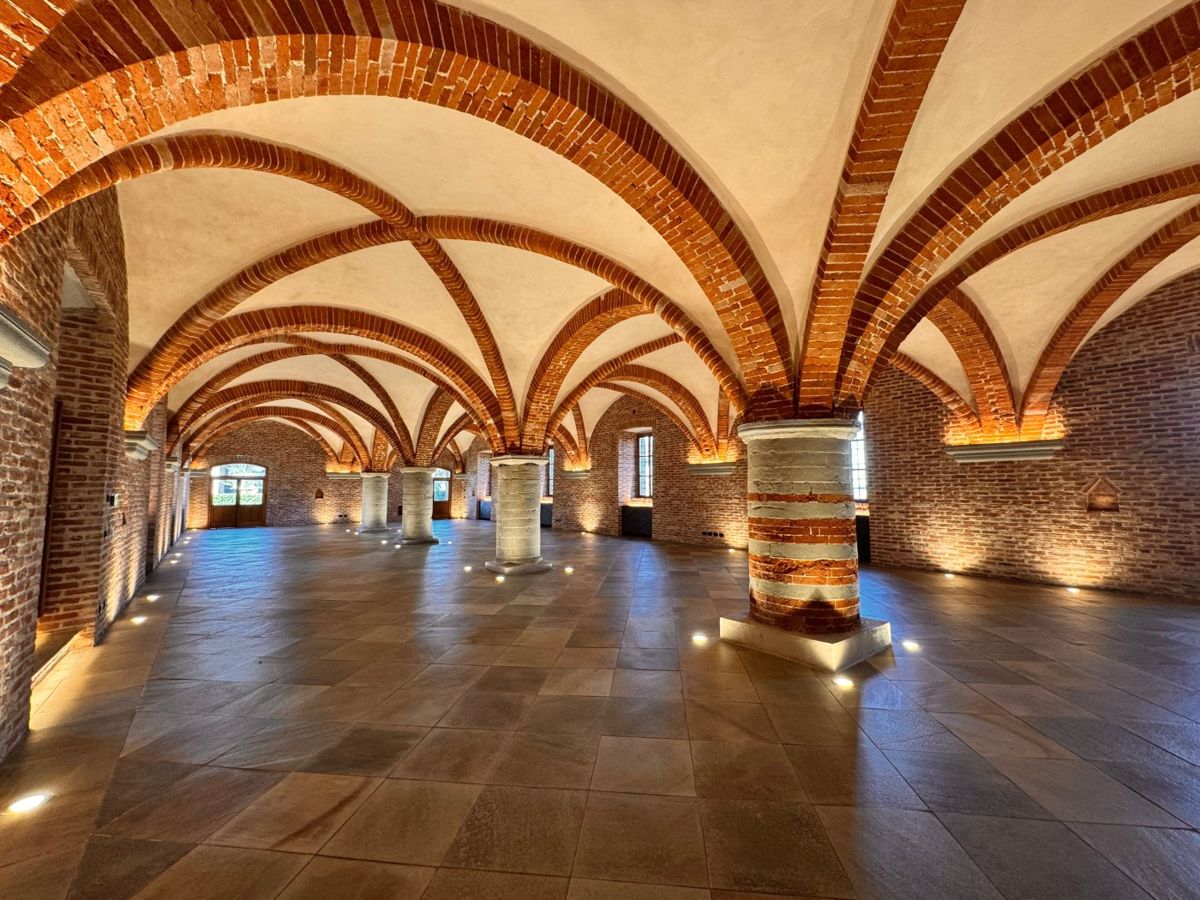
Crisis and transformation under the Commenda
In 1457 Lucedio underwent a major transformation with the introduction of the commenda, instituted by Pope Callixtus III. This practice assigned the abbey to a commendatory abbot, often non-resident, whose main interest was administering its revenues rather than preserving monastic life. The system led to internal conflicts and a progressive decline of the religious community, with the number of monks falling drastically.
The devastation of the wars of the 17th and 18th centuries and institutional changes further contributed to the abbey's decline. Secularisation finally came in 1784, when Lucedio was handed over to the Order of Saints Maurice and Lazarus, marking the definitive end of its religious function.
The abbey as an agricultural estate
Under Savoy administration, and later during French rule, the former monastery became an agricultural estate. In 1807 the complex was assigned to Camillo Borghese, Napoleon's brother-in-law, as part of a financial deal involving works of art transferred to the Louvre. During the 19th century Lucedio passed through several owners, including the De Ferrari family, Dukes of Galliera, who turned it into an agricultural centre specialising in rice growing.
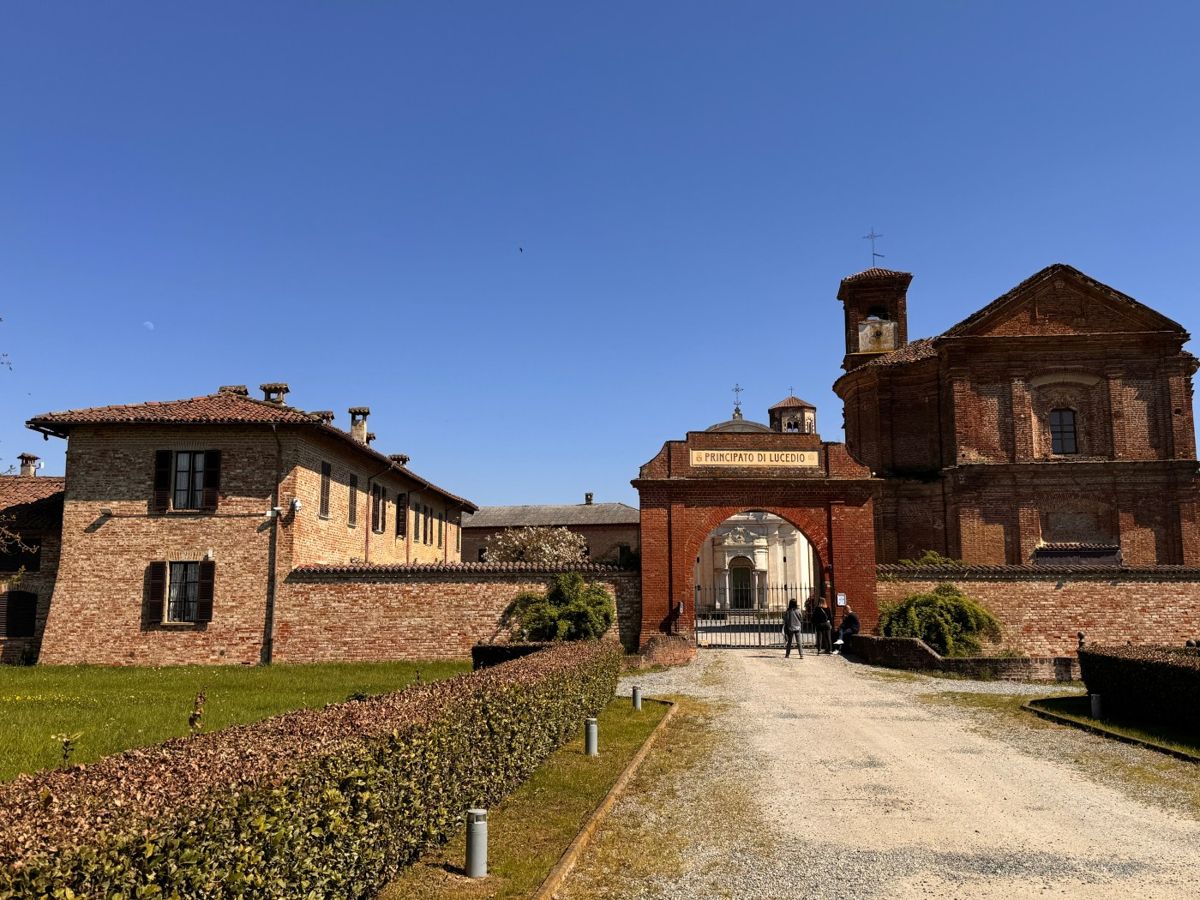
Historical rediscovery and promotion
In the 20th century the abbey attracted the attention of scholars and cultural institutions, becoming the subject of archaeological investigations and architectural restoration. Today, thanks to the work of the Committee for the Study and Promotion of the Abbey and Granges of Lucedio, the site is recognised as an important part of the historical and architectural heritage. The Province of Vercelli has recently acquired the abbey church, launching restoration and research projects to give the community back a place steeped in history.
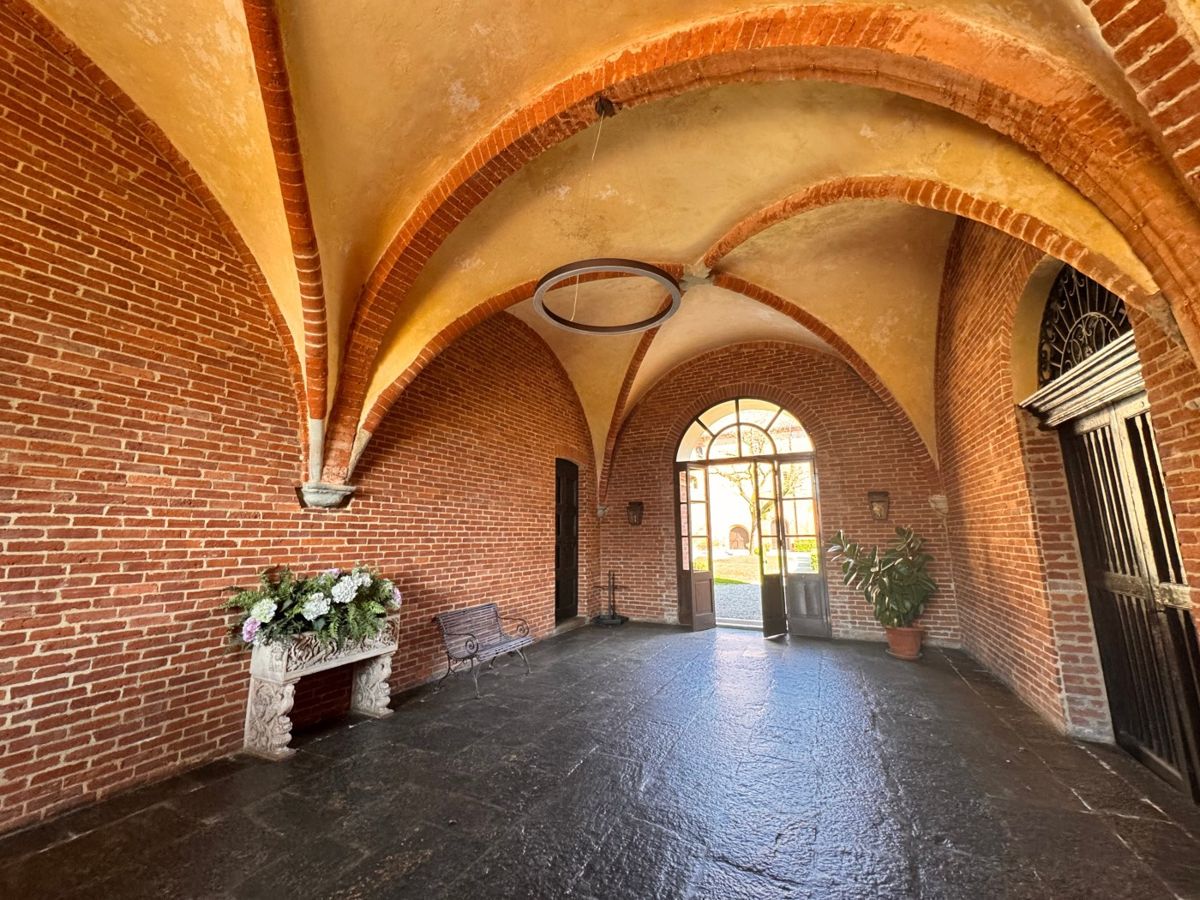
Esotericism and dark legends
The Abbey of Lucedio, in the heart of the Vercelli plain, is one of the most mysterious places in Italy. What makes Lucedio particularly fascinating, however, is not only its official history but the thick aura of mystery surrounding it, with tales of esoteric rites, Satanism and disturbing presences. According to many scholars and enthusiasts of the occult, the abbey still holds unsolved secrets and symbols that would testify to its use for occult purposes. Numerous sightings and recorded anomalies have fuelled the idea that the place is still permeated by dark, unresolved energies.
The decline of the Abbey
From its foundation, thanks to its strategic position and the fertility of the surrounding land, the abbey soon became an economic and religious centre of primary importance. However, as early as the 14th century dark rumours began to circulate about the place: there was talk of monks devoted to unorthodox practices and of a moral decline that was said to have led to the dissolution of the religious community.
Chronicles of the time speak of monks who allegedly broke the rules of the Cistercian order, letting themselves be seduced by earthly pleasures and experimenting with forbidden rituals. According to some scholars, this period saw the birth of the first links between Lucedio and esoteric practices, fuelled also by the presence of underground chambers and secret passages that would have favoured clandestine meetings. Among the most disturbing tales are those of nocturnal ceremonies held in the underground chambers, where renegade monks are said to have sacrificed young women to please dark entities.
In 1784, because of the monks' misconduct and numerous scandals, Pope Pius VI suppressed the monastery and assigned it to private owners. It was then that the legends began to multiply. Many claim that some of these monks never left Lucedio and that their souls, trapped forever within these walls, make their presence felt through inexplicable phenomena. It is said that on certain nights eerie Gregorian chants can be heard echoing through the deserted corridors, as if the damned souls of the monks were still seeking redemption.
The dark legends: esotericism and Satanism
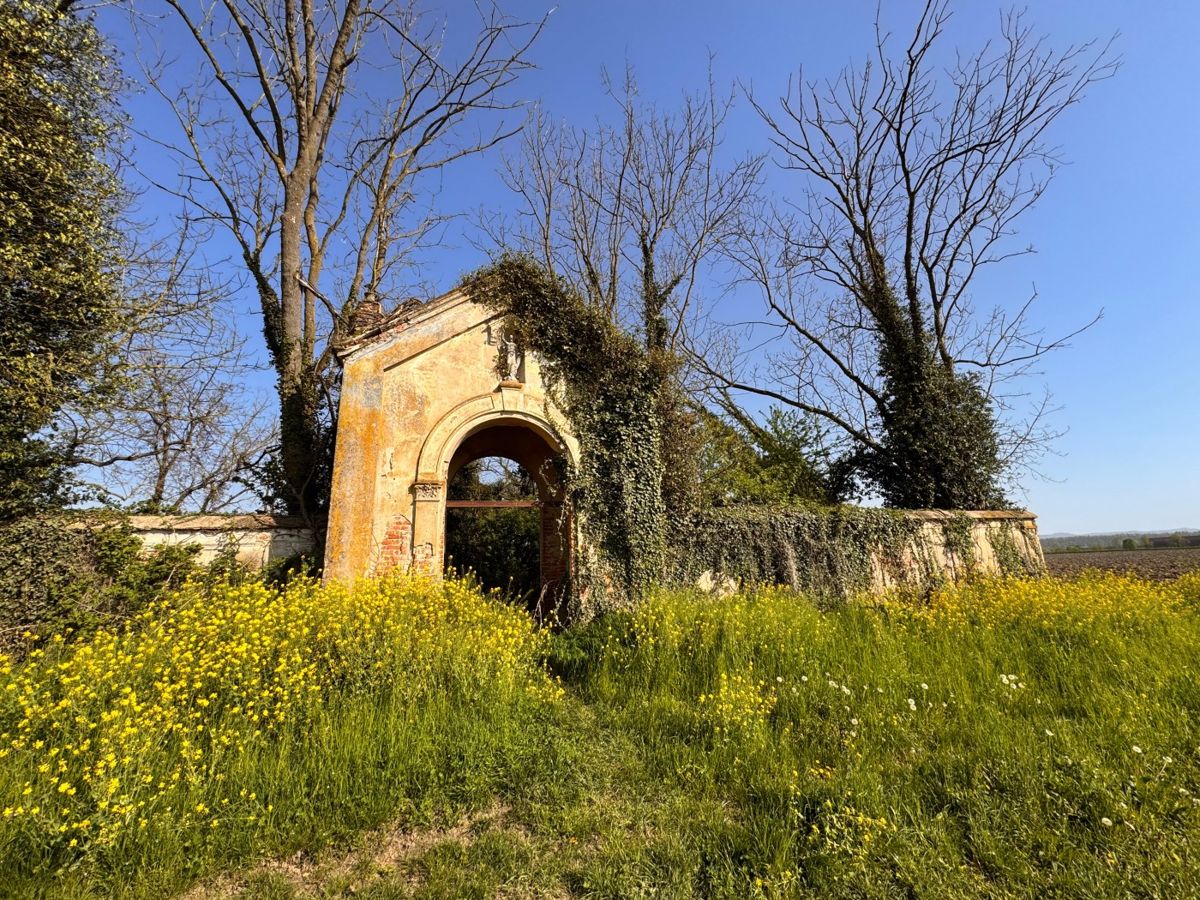
According to various accounts, esoteric rites of a disturbing nature took place within the walls of Lucedio. Some tales speak of monks who, instead of devoting themselves to prayer, practised forbidden cults and demonic invocations. One of the most disturbing legends concerns a secret room, called the "Hall of Judgement", where the followers of a dark cult are said to have guarded a seal capable of imprisoning an evil entity.
Another widespread story says that the abbey's underground chambers conceal crypts used for dark rituals and sacrifices. Some visitors claim to have sensed negative energies or heard strange whispers in the deserted corridors. The tales also speak of an alleged "devil's score", a musical composition which, if played backwards, would contain demonic invocations and calls to otherworldly presences. According to some hypotheses, this score was used during forbidden rituals to channel dark forces and establish contact with non-human entities.
Some manuscripts found in the area bear symbols and inscriptions attributable to black magic practices. It is said that some rituals included reading formulas in unknown languages, capable of summoning disturbing presences and unsettling the minds of those who witnessed them. Popular tales also speak of corrupt priests who allegedly made pacts with dark entities to obtain power and forbidden knowledge.
The legend of the petrified monks and the weeping column
Another fascinating myth is that of the "petrified monks". It is said that, because of their sacrilegious practices, a higher power cursed them, turning them into stone statues. Some link this legend to the sarcophagi in the abbey, which seem to depict figures in attitudes of prayer. According to other versions, the petrification was the result of a failed ritual in which the monks tried to summon an entity that, to punish them, condemned them to an eternity of immobility.
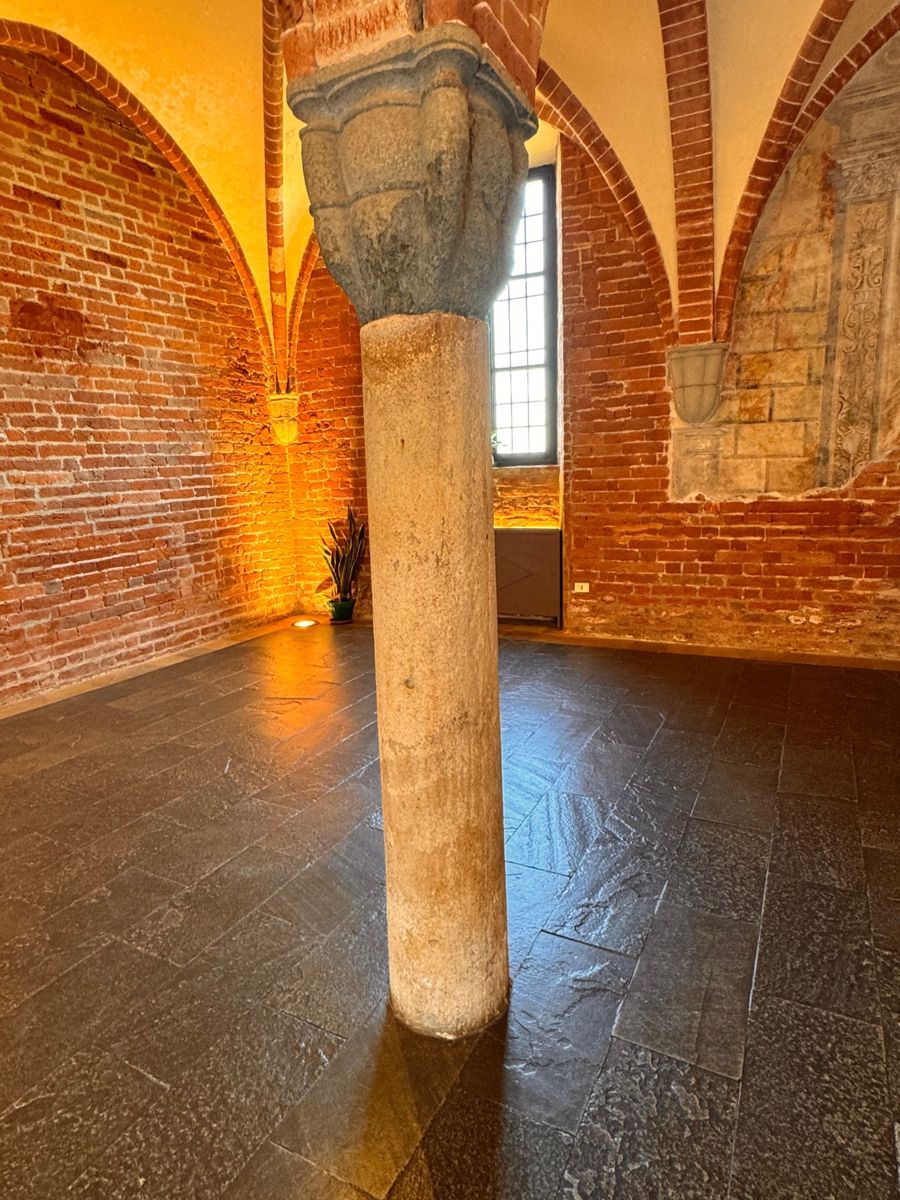
Another disturbing feature of the abbey is the so-called "weeping column". According to popular tradition, one of the columns inside the church exudes a liquid resembling tears on certain days of the year, especially at the solstices. Some believe it is the weeping of a tormented soul, a monk who repented of the dark practices he had taken part in. Science has not been able to explain this phenomenon with certainty, although some theories speak of simple moisture accumulated in the stone. Nevertheless, some paranormal researchers maintain that it is a supernatural manifestation linked to the restless souls of Lucedio.
Investigations and paranormal phenomena
Over the years, various groups of researchers and paranormal enthusiasts have investigated Lucedio. The testimonies collected speak of ghostly apparitions, objects moving by themselves and inexplicable variations in electromagnetic fields. Some claim that the place is haunted by entities that still wander within its walls today.
Audio and video recordings have documented whispering voices and shadows that seem to move of their own accord. The most frequent phenomena occur at night, when certain presences reportedly manifest themselves through moans and evanescent apparitions. Experts in paranormal phenomena have suggested that the residual energy of the esoteric practices carried out over the centuries may have left an indelible trace on the place, making it an epicentre of inexplicable activity.
Conclusions
The Abbey of Lucedio remains a place of great fascination and mystery. Between history and legend, its reputation as an esoteric centre and the setting of alleged Satanic rites continues to attract the curious and students of the paranormal. The presence of the so-called "devil's score" and the "weeping column" adds further unease to the place, fuelling theories of a persistent evil influence that still pervades it today.
Whether it is suggestion or genuinely inexplicable phenomena, Lucedio remains one of the most enigmatic places in Italy, wrapped in an aura of unsettling beauty. Its controversial past continues to stir the curiosity of researchers, occult enthusiasts and students of unexplained phenomena, confirming it as one of the most enigmatic sites in the Italian esoteric tradition.
Bibliography
- Bianchi, M. (2015). Storia e Misticismo nell'Abbazia di Lucedio. Turin: Edizioni Accademiche.
- Conti, F. (2012). Esoterismo e Tradizione: Studi su Lucedio. Rome: Istituto di Studi Religiosi.
- De Luca, S. (2005). I Misteri della Pietrificazione: Miti e Leggende Medievali. Milan: Franco Angeli.
- Ferrari, L. (2018). Fenomeni Paranormali e Luoghi Sacri: Un Approccio Interdisciplinare. Bologna: Il Mulino.
- Marini, A. (2010). Riti e Simbolismi Occulti: Tra Storia e Leggenda. Florence: Le Lettere.
- Rossi, G. (2001). L'Abbazia di Lucedio: Origini e Declino di un Centro Cistercense. Vercelli: Edizioni Storiche.
- Verdi, P. (2008). Crisi e Rinnovamento: La Soppressione dei Monasteri in Italia. Naples: Edizioni Universitarie.