The Church of San Michele in Ome
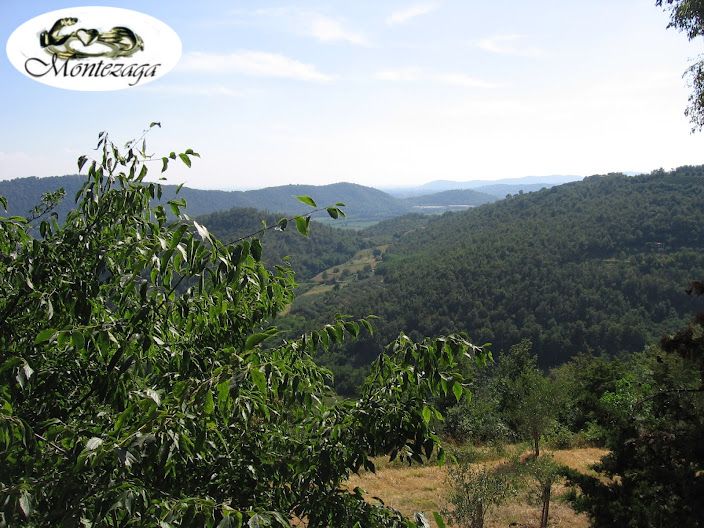
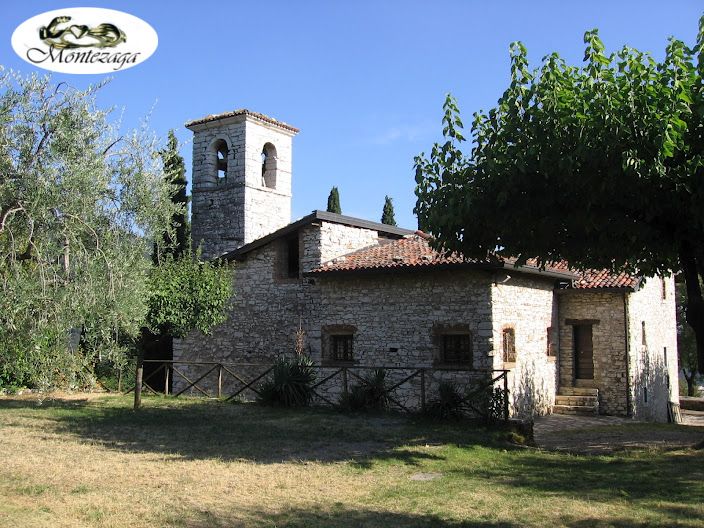 In Franciacorta, within the municipality of Ome, on the ridge of the hill known as the "Costa di San Michele", stand the church of the same name and the remains of an ancient castle. From this ridge there is a wide view over the two valleys known as the Nas and the Fus, crossed respectively by the Martignano and Gandovere streams. The exact date of the site's origin is unknown, although archaeological surveys suggest the presence of a settlement in the 7th–8th centuries. The first historical document concerning the territory of Ome dates from 1090 and records the sale to the Benedictine monastery of Rodengo of a plot of land located in Fundo Rodingo.
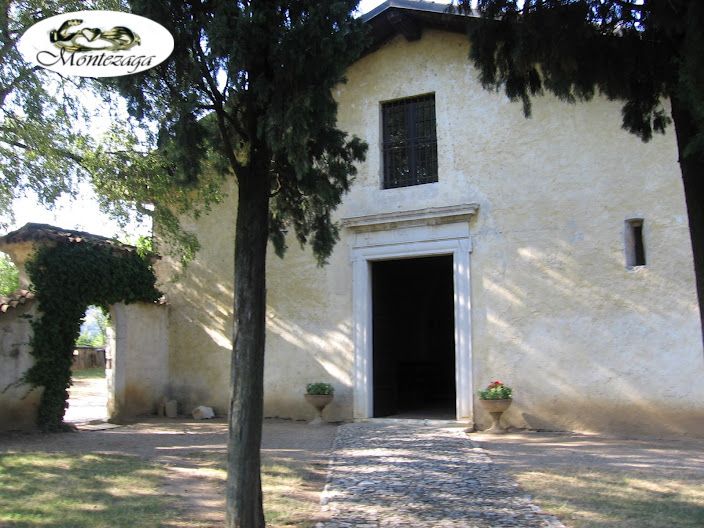
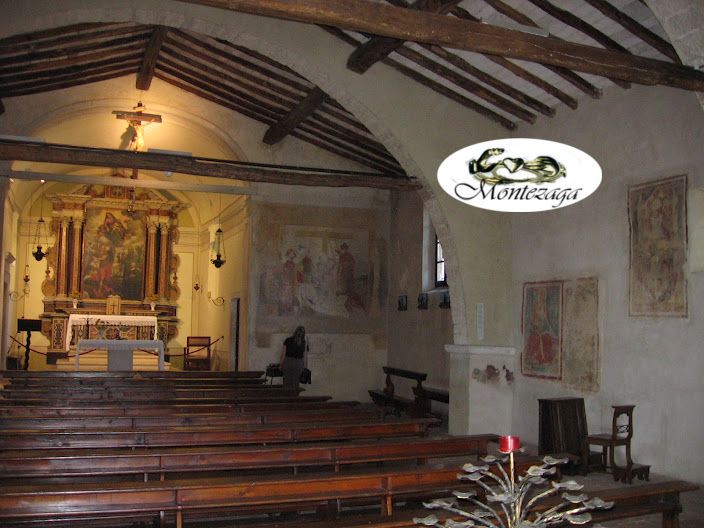
The church's present appearance dates from the 15th century. However, recognisable traces survive of an original single-hall chapel oriented east-west, as was typical of churches of Romanesque or earlier foundation.
Franciacorta has two other sacred buildings dedicated to Saint Michael that share features with the one at Ome: the Church of San Michele on Monte Orfano at Rovato, and the ruins of the Oratory of San Michele on the slope of Monte Alto overlooking the village of Colombaro di Corte Franca. These buildings are thought to date from the Lombard period and are built high up on a hill or mountainside. In both cases they stand far from inhabited centres and are connected with a nearby medieval fortification.
Confirmation that the church's axis was originally oriented east-west came from archaeological excavations on the eastern side of the building. On this side, at a depth of about 15 cm, the semicircular wall of the apse of the Romanesque church was found: a wall 75 cm thick, preserved only at foundation level and lying about 40 cm below the level of the church's interior floor. This shows that an earlier building existed, whose foundations turned out to rest directly on the rocky layer of the hill. The survey also revealed that a human settlement was already present in the area even before the sacred building was constructed. A further notable find from the excavations was a tomb made of stone slabs set directly against the rock and the first courses of the foundation stones, which held the remains of a child. This tomb appears to be contemporary with the foundation of the building itself.
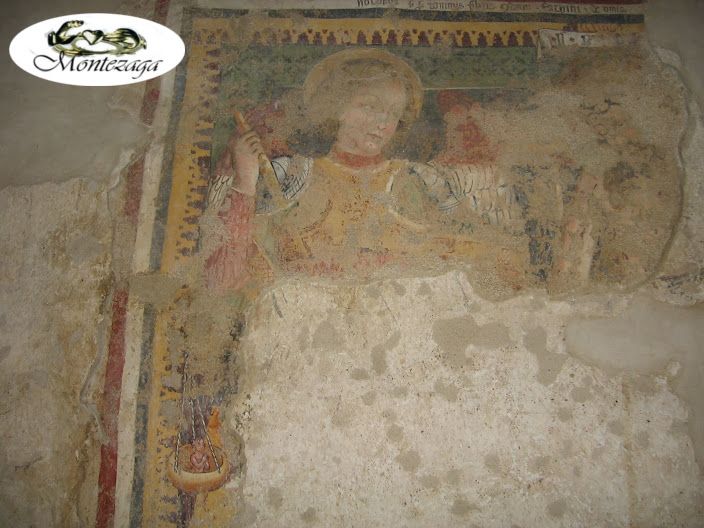
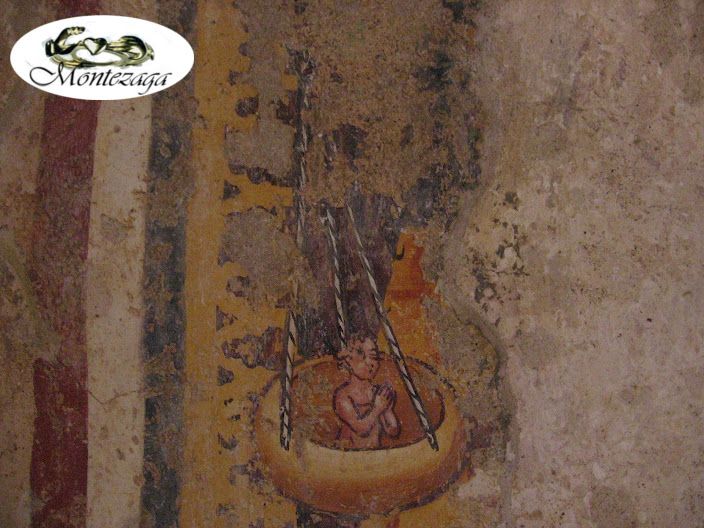
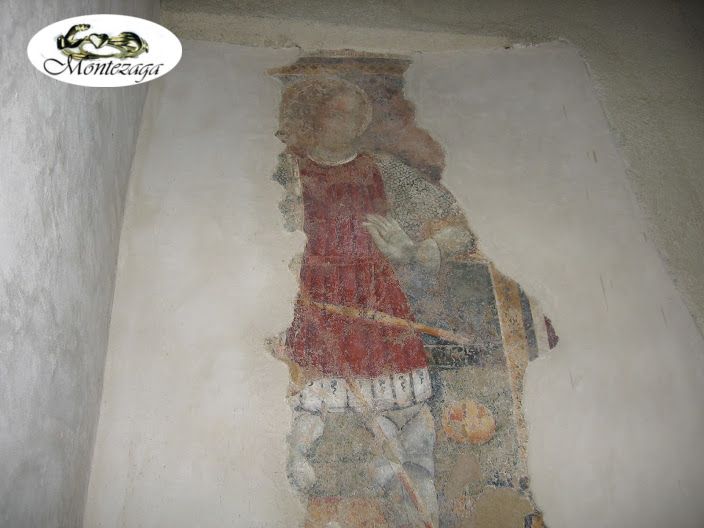
The interior of the church must once have been richly frescoed. Today only a few works remain, but they are enough to give us an idea of the iconographic type of the paintings once present. Among them is the well-known depiction of Saint Michael, found on both the south and east walls of the building, each showing the saint in armour holding the scales on whose pans are placed the souls of the dead awaiting judgement, in the familiar rite of the "weighing of souls", or psychostasia.
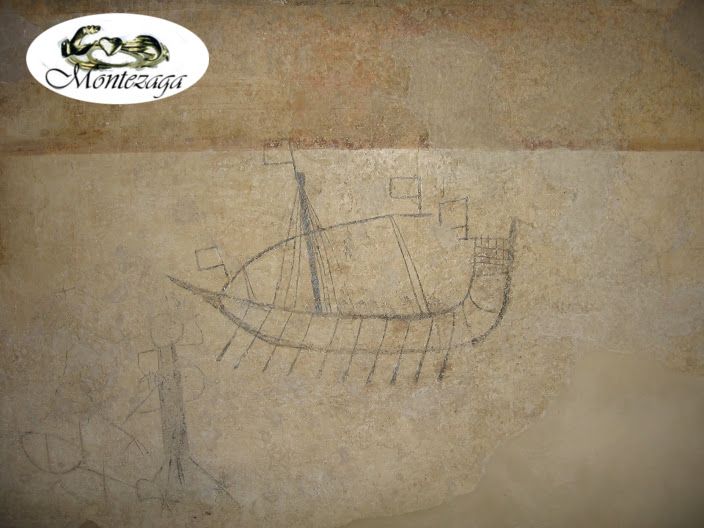
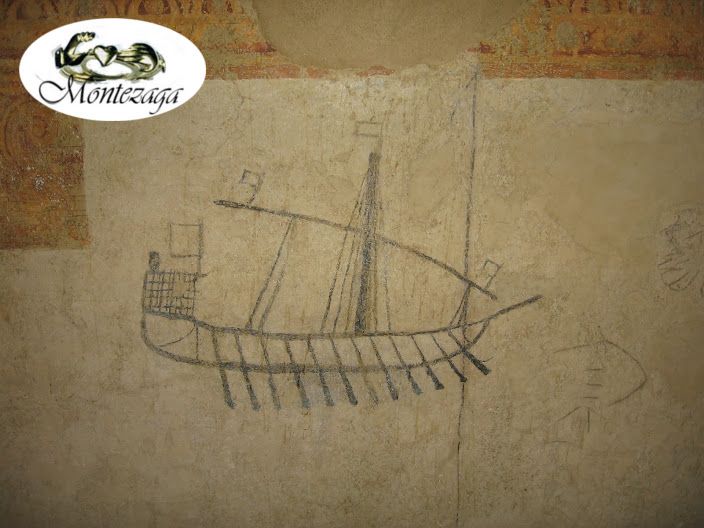
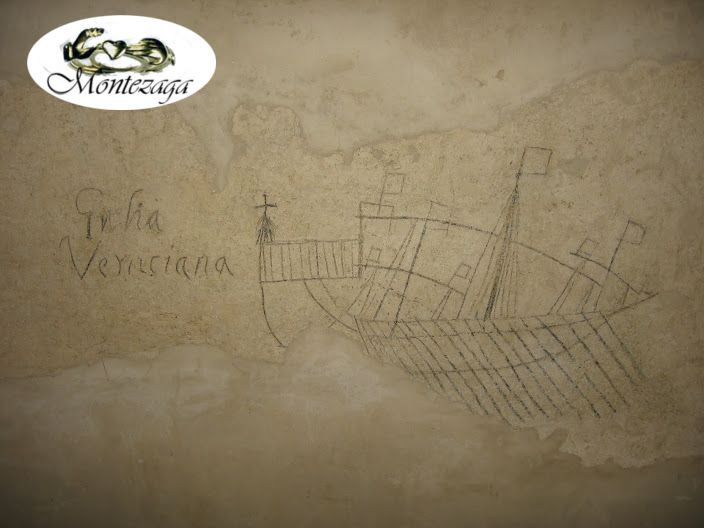
The interior walls also bear some curious charcoal drawings of ships, in particular galleys, vessels with a mainmast and many oars used by the Venetians. These drawings have been dated to around the 16th century and are thought to be sailors' ex-votos.
There are many examples of churches dedicated to Saint Michael, in Italy, such as the famous Sacra di San Michele in the Susa Valley, and abroad, such as the equally well-known sanctuary of Mont Saint-Michel on the northern coast of France. These places share one obvious characteristic: verticality. These buildings stand in elevated positions with incredibly panoramic views over the surrounding area.
 One peculiar feature we noted at the Church of San Michele in Ome, and which we intend to check at other sacred buildings dedicated to the saint, is the high geomagnetic field measured near the building. We recorded an average field of about 80 μT. The intensity of the Earth's magnetic field ranges from about 20 μT at the equator to 70 μT at the poles. Obviously, as things stand, we cannot claim that there is a definite link between the particular geomagnetic characteristics of this site and the decision to build a place of worship dedicated to Saint Michael here; it is, however, a peculiar finding, worth noting and checking in future.
Bibliography:
- La Terra di Ome in Età Medievale, Gabriele Archetti - Angelo Valsecchi, Brescia 2003
- Il Campo Magnetico Terrestre, www.openfisica.com