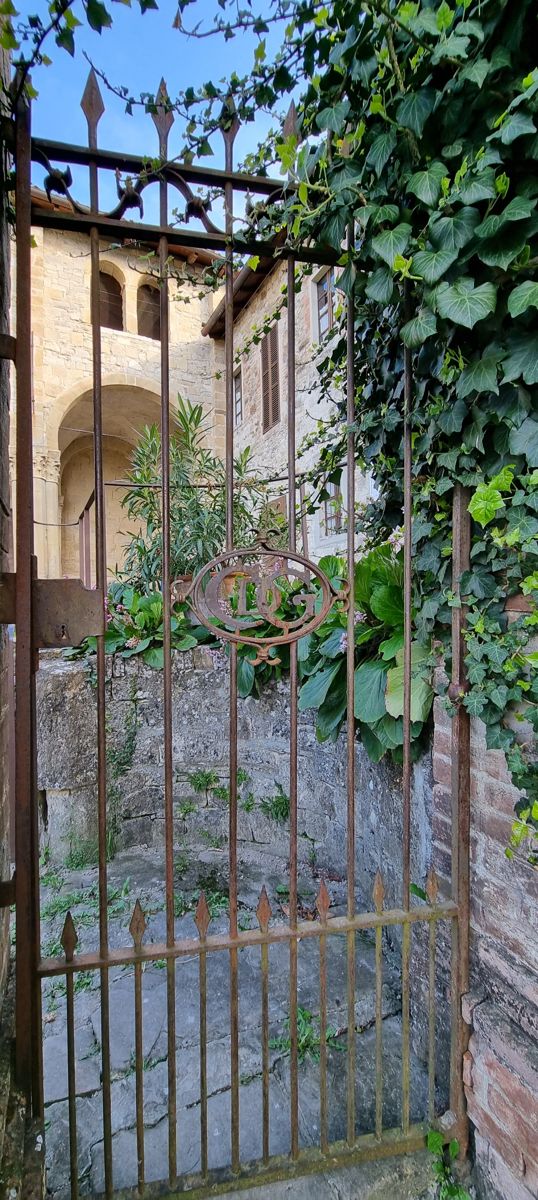
The Abbey of San Basilide
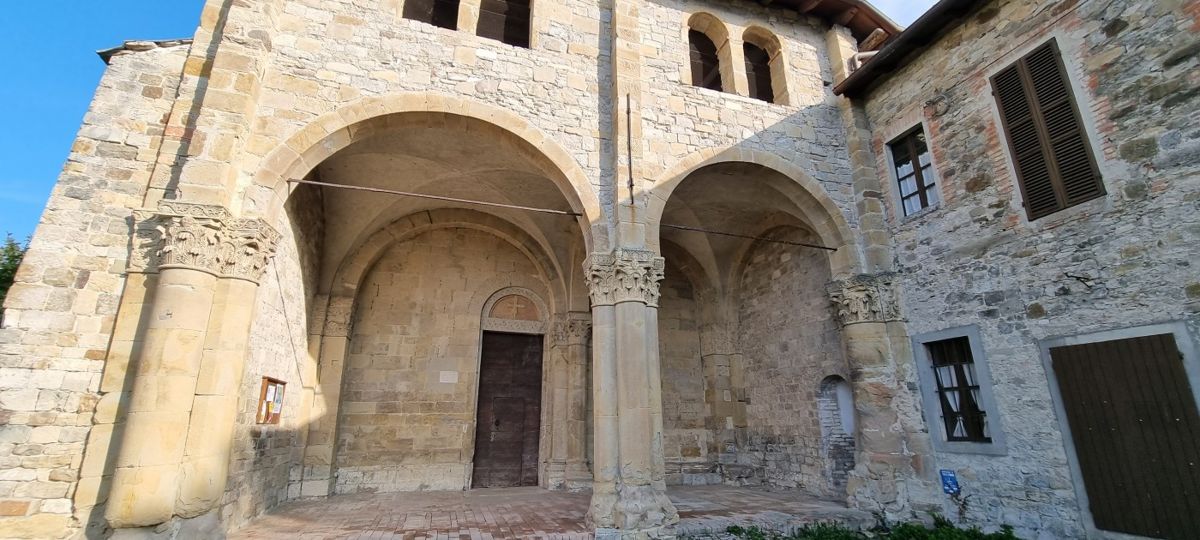
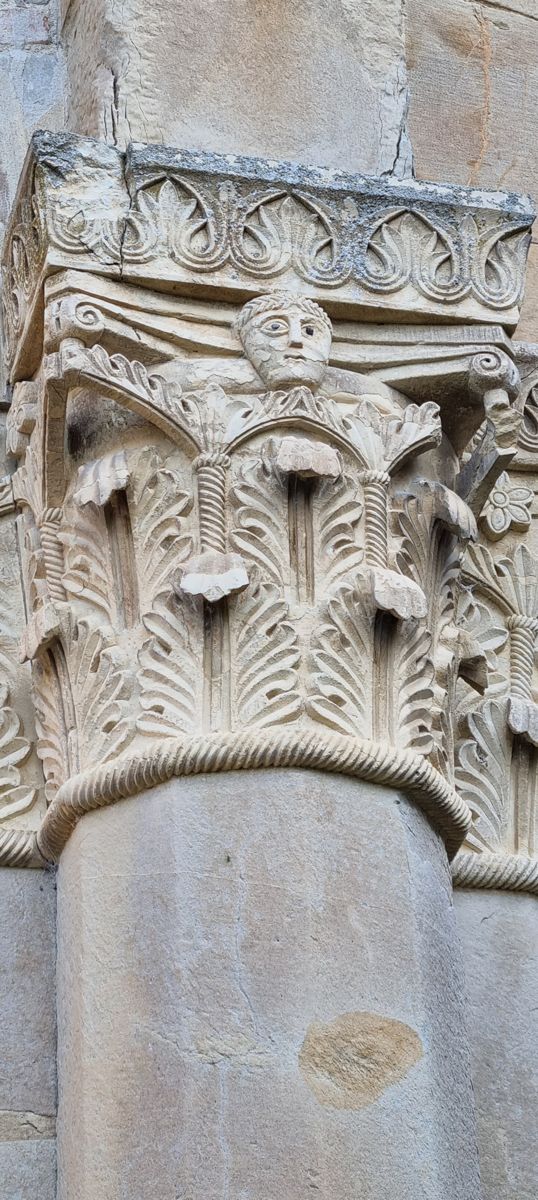
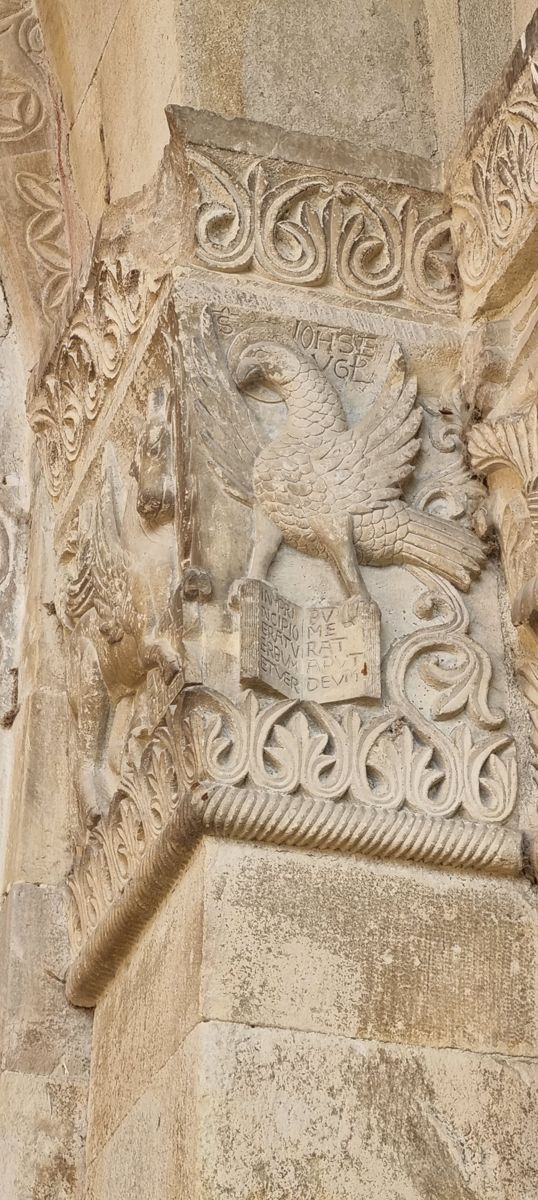
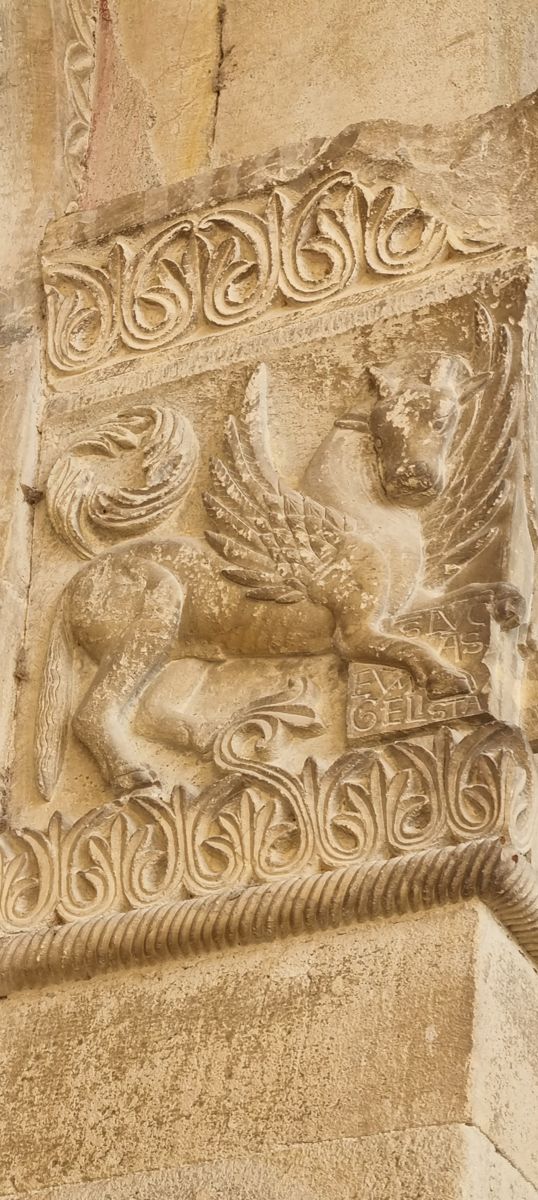
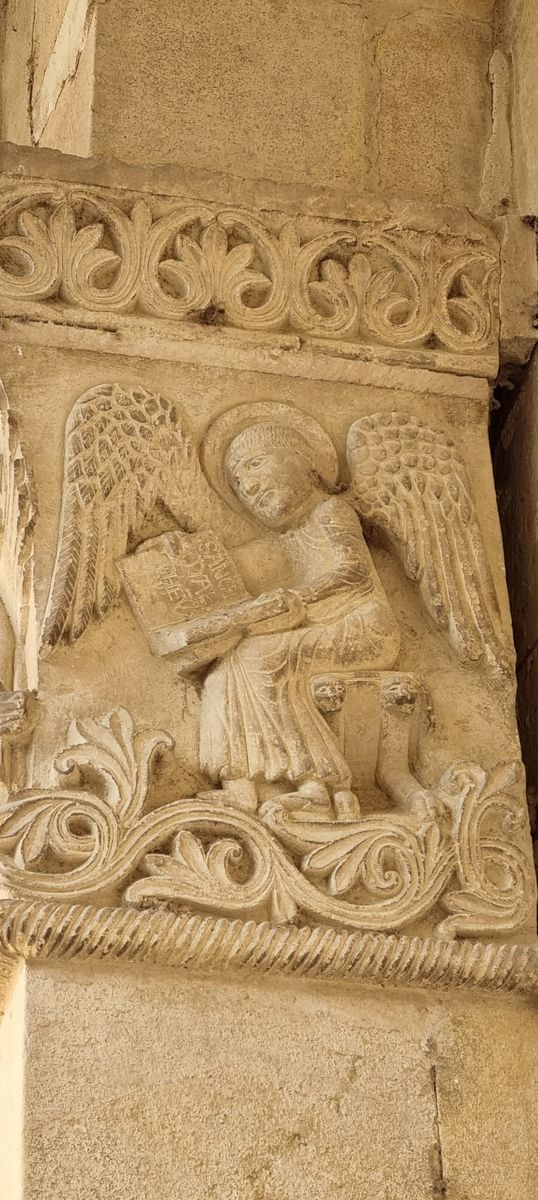
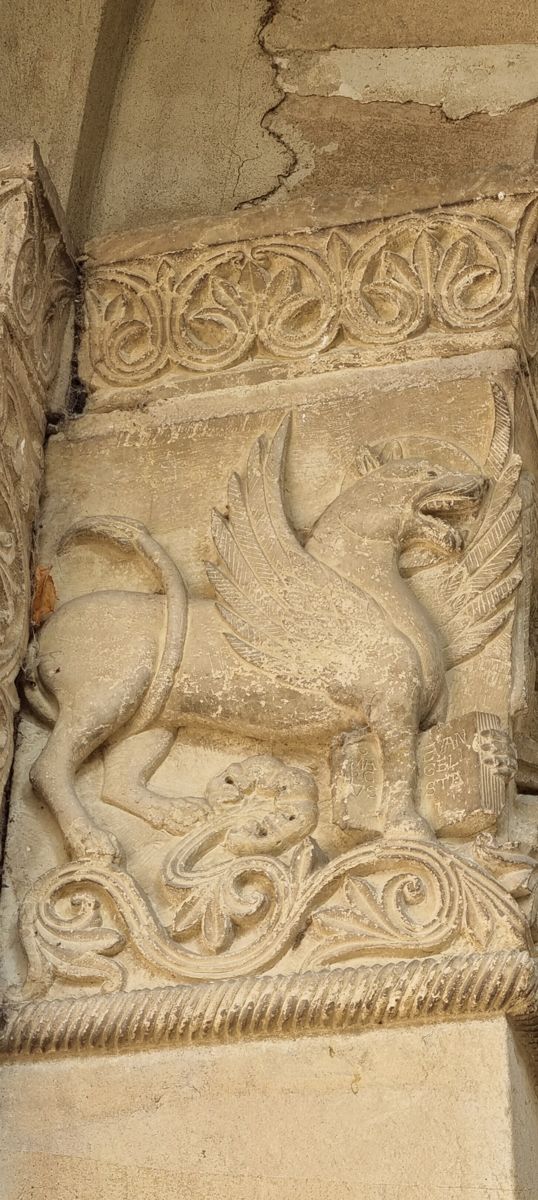
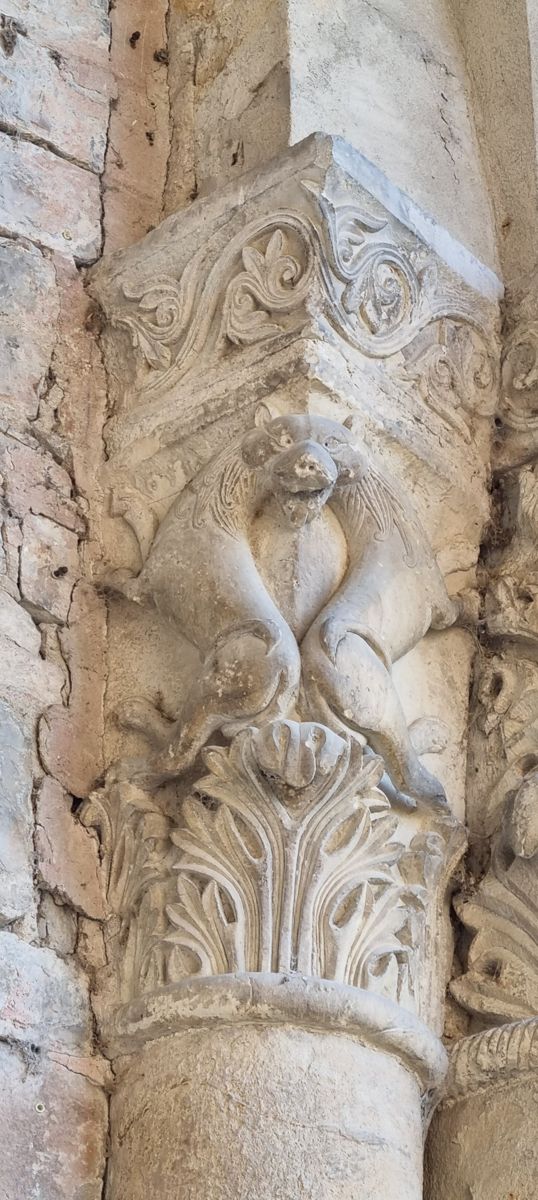
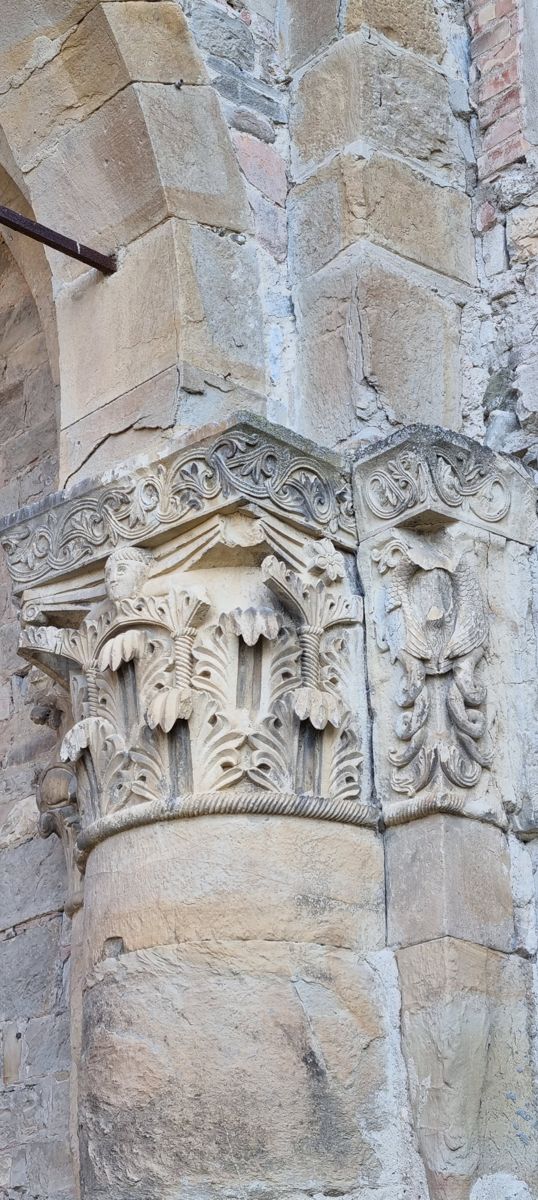
The abbey stands on an ancient road that ran from the city of Parma to Tuscany, via the Lagastrello pass and the monastery of San Salvatore and San Bartolomeo at Linari, an important stopping place for travellers and pilgrims. Founded between 1097 and 1106 by the reformed Benedictine congregation of Vallombrosa, the abbey was governed by this monastic family until 1485. The Abbey of San Basilide replicates the spatial organisation and architectural forms of the other abbeys of the same order, and is therefore the prototype of a Vallombrosan foundation, with a T-shaped church oriented to the east and a square cloister on the south side of the church. The abbey church, built at the beginning of the 12th century of small squared stone blocks, consists of a single nave with a timber truss roof, a projecting transept and a semicircular apse. A two-arched portico with an upper loggia was added to the front of the church, also in the 12th century, with capitals depicting the symbols of the evangelists. Inside the church, which is simple and undecorated, note the pulpit for the proclamation of the Word, set into the thickness of the left side wall, and the double staircase in front of the altar leading down to the crypt, where the remains of Saint Basilides are kept. On the south side of the church is the cloister, now partly incorporated into later buildings and not open to visitors, with the refectory (south side), the chapter house, the burial crypt for the abbots and the monks' entrance to the church (east side). The foundation of the abbey is linked to Bernardo degli Uberti, abbot of Vallombrosa, cardinal and apostolic legate of Pope Paschal II, whose appointment as bishop of Parma in 1106 marked the city's shift from supporting the Empire to loyalty to the Papacy.